Quality control · M. Weber · updated

Five checks, eight minutes, and the $60 you keep

QC is the only part of agent buying where being slow makes you money. These are the five things I look at on every gallery, in this order, with the message I send when something is wrong.

5rejections in 14 orders
$412saved by rejecting
8 minaverage review time

Sole stitching and glue line

Reject if you can see glue bleeding past the midsole

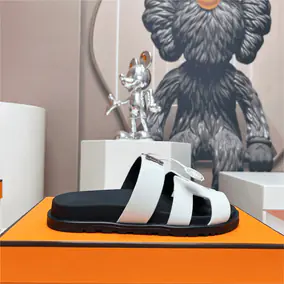
Ask for a straight-on side shot of the sole at 45° and a close-up of the toe box seam. On a good pair the stitch count per inch is even and the glue line sits inside the welt, not on it. Glue squeeze-out is the cheapest thing for a factory to fix and the most obvious tell when it is not fixed.

Ask the agent “Can I get a clear side photo of the sole and one toe close-up in natural light?”
Logo placement and scale

Reject if the logo sits more than 3 mm off centre

Agents photograph flat, so a skewed logo is easy to spot and hard to explain away. Measure against the seams, not against your memory of the retail pair — most batches get the size right and the position wrong. If the item has a chest print, ask for the shot with a ruler or a coin for scale.

Ask the agent “Please lay the item flat and shoot the logo straight on, with something for scale.”

Weight and material feel

Reject if the weight is more than 10% off the batch average

The warehouse scale is the most underrated QC tool. A hoodie that weighs 480 g instead of 620 g is a thinner fleece, whatever the photos say. Ask for the weight in grams; a good agent includes it in the QC gallery by default.

Ask the agent “What is the packed weight in grams, and can you photograph the scale reading?”

Tag, label and font

Reject if the neck label font is wrong

Labels are where cheap batches cut first. Compare the font weight and letter spacing of the neck tag to a retail photo you keep on your phone; the letter “R” and the spacing in “MADE IN” are the usual giveaways. This is also where sizing lies hide — a mislabelled L is a real return reason.

Ask the agent “Close-up of the neck label and the wash tag, please.”

The photo they never send unless asked

Always ask for the insole and the inside seam

Ask for the insole pulled out and photographed next to a ruler, plus the inside seam of the shoulder or the heel. The insole tells you the real size; the inside seam tells you whether the lining was stitched or glued. Neither appears in a standard gallery.

Ask the agent “Insole out, next to a ruler, plus the inside shoulder seam.”

The rejection message, ready to copy

Agents read hundreds of these a day. Short, specific, with the photo number you are referring to, gets action. Vague complaints get “we will forward it to the seller”, which is where requests go to die.

Hi — rejecting QC for order #____ (item: ____).

Photo 3: glue visible along the left midsole, outside the welt line.
Photo 6: chest logo sits ~5 mm right of the centre seam.

Please request an exchange for the same batch, or a refund if the seller
cannot supply a clean pair. I can wait 7 days.

Thanks.

Three rules behind the template: reference the photo number, describe the defect in millimetres or grams, and state your acceptable outcome (exchange or refund) plus how long you can wait.

What good QC photos look like

Four finds that passed

Browse the sheet

FAQ

QC questions, answered plainly

How long do I have to request QC?

Typically three to seven days after the item is marked as arrived at the warehouse. The window is set by the agent, not the seller, and it is short on purpose — storage costs money. Request QC the day the item lands; do not wait for the weekend.

What happens if I reject a QC?

You ask for a return or exchange with the seller. Domestic return shipping is usually cheap (a few dollars) and sometimes free; the agent handles the logistics. You lose time — often a week — but you keep the money. Rejecting is almost always cheaper than accepting a bad item and re-ordering after it arrives.

Can I ask for extra photos after the first gallery?

Yes, and this is the single highest-value habit in agent buying. The first gallery is a template; the second request is where you get the insole, the scale reading and the seam. Most agents charge nothing for it, and the ones that do charge a dollar or two.

Is “qc finder litbuy” a different tool?

People search “qc finder litbuy” expecting a search engine for QC photos. In practice it is the same spreadsheet workflow: the QC column links to a gallery, and the “finder” is the sheet’s search box. There is no separate official QC database — anyone claiming otherwise is selling a repackaged spreadsheet.

Do QC photos guarantee the item is good?

No. They catch the four most common failures — glue, logo skew, thin material, wrong label — and miss everything that only shows up in hand: smell, sole stiffness, zipper feel. Treat QC as a filter, not a guarantee.