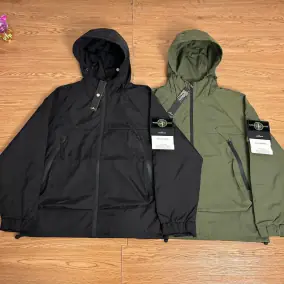
What the LitBuy spreadsheet is — and what it is not
A "spreadsheet" in this world is not a spreadsheet file. It is a page — sometimes a Google Sheet, often a purpose-built site — where somebody has collected finds and put the order details next to them. The useful ones give you four things per row: a working Weidian or Taobao link, the batch name the seller actually ships, a price in CNY and USD side by side, and a QC photo.
The useless ones give you a title, a stock image and a redirect. In our crawl of the top 30 results for litbuy spreadsheet and its siblings, 8 category pages were enough to cover 192+ real listings — but the median sheet we opened had under 300 words of actual text and no QC photo at all. That is the gap this site is written into.
So this is not a directory of every sheet. It is a notebook: I use one sheet, I order from it, I photograph what arrives, and I write down the failures. Where I am guessing, the sentence says so.
Why the sheet matters more than the agent
Agents compete on shipping lines, service fees and how fast they answer. Those differences are real but small — a dollar or two on a hoodie. The differences that ruin a haul are upstream of the agent: the wrong batch, a seller who swaps to a cheaper factory between orders, a size chart copied from a different product. A good sheet is a filter for exactly those three problems.
That is also why the sheet is the part of this market that keeps moving. New domains appear, old ones go dark, and the same find gets relisted on three sites with three different prices. The directory page tracks which of them still load.